Let’s be Friends,
Together with
Refugees.

難民の友に。難民と共に。

About Arrupe
Refugee Center

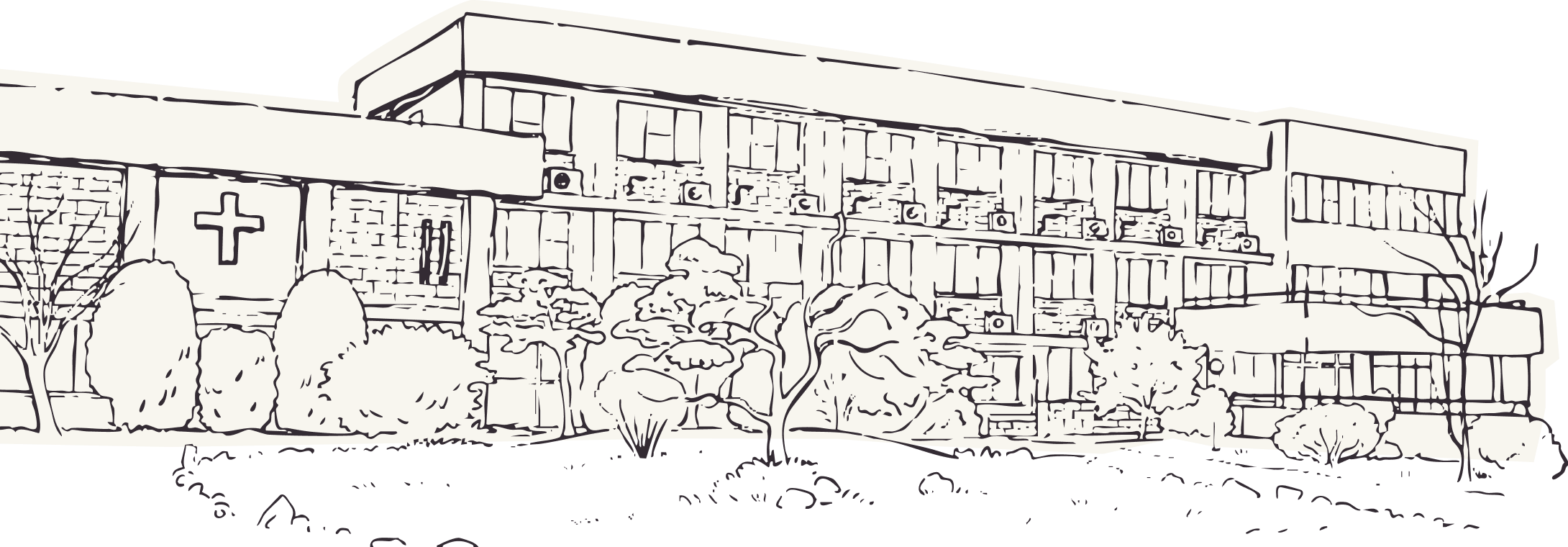
Arrupe Refugee Center is an non-profit and non-governmental organization established on February 5, 2020 ,the Memorial of the 26 Martyrs of Japan and the anniversary of Fr.Pedro Arrupe's death. Based in the Jesuit Japan Martyrs Monastery in Kamakura, Kanagawa Prefecture, we provide a shelter and support for refugees who have fled to Japan and help rebuild their lives in Japan.

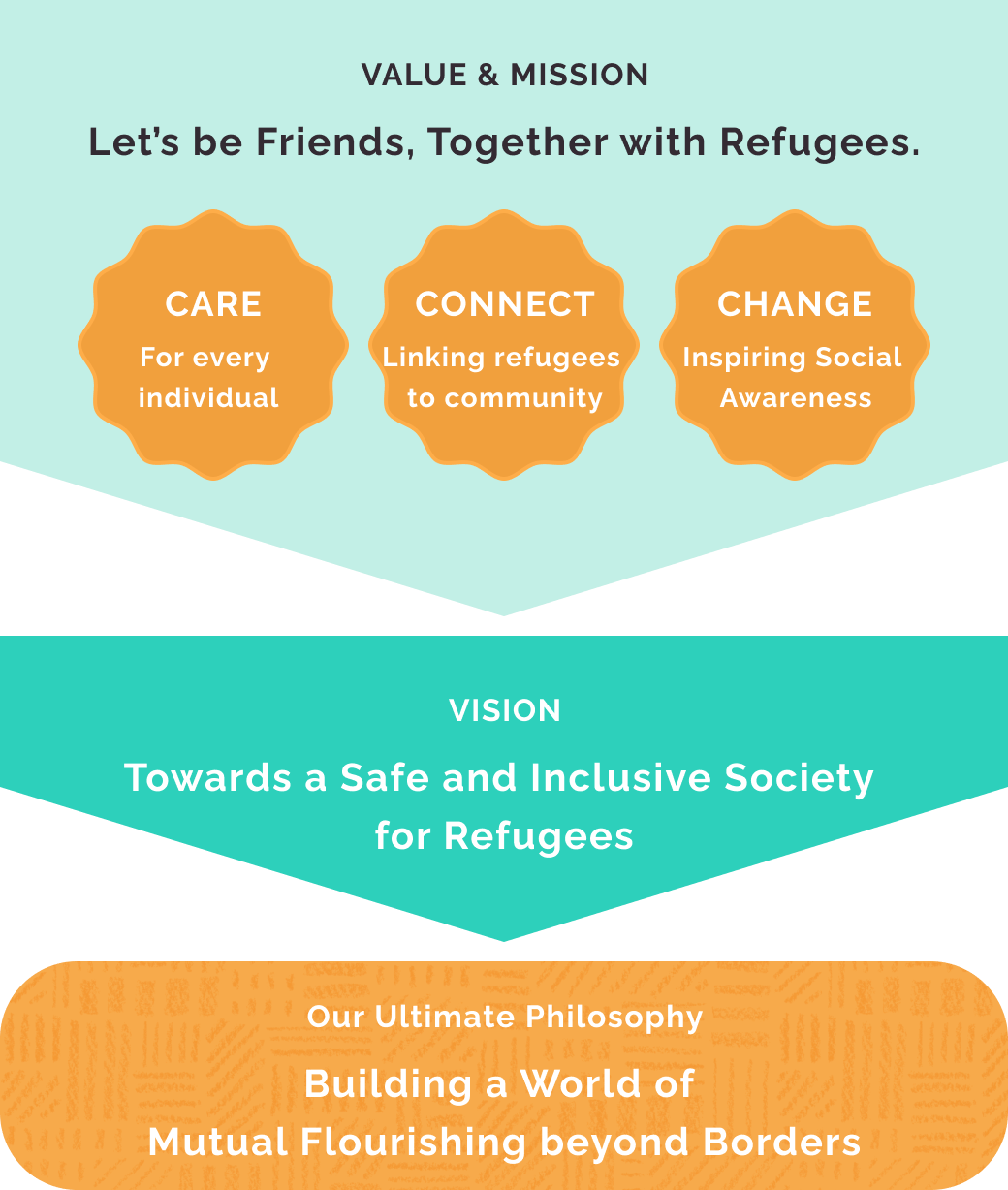
Our vision is to realize a "society where refugees are welcomed." Beyond that, we aim for a world of mutual support where people reach out to one another in times of need, transcending nationality and status.

About Arrupe Refugee Center

The Inspiration
Behind Our Name

The name "Arrupe" comes from Fr. Pedro Arrupe, the former Superior General of the Society of Jesus, the Jesuits. Fr. Arrupe dedicated his life to supporting refugees and consistently advocated for the principle of "living for others, and with others." Inheriting his spirit, we have taken this name as a vow to walk alongside refugees as their friends.

Pedro Arrupe

Refugees
in Japan Today

Roughly 120 million people—nearly the same as the total population of Japan—have been forced to leave their homes due to conflict and persecution. Some flee to Japan seeking safety. In recent years, we have over 10,000 arrivals in a single year.
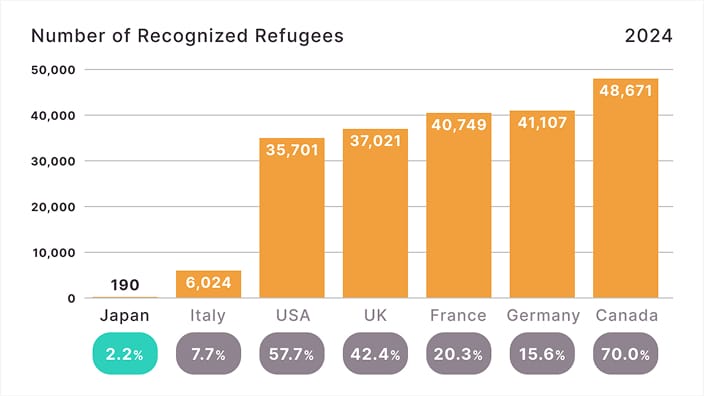
The refugee recognition in Japan is overwhelmingly limited compared to other developed nations. Most refugees, namely protection seekers, are forced to live in Japan in a state where they are stripped of nearly all their freedoms. In the deprived conditions, they struggle with the difficulties of integrating into Japanese local communities, where the culture is vastly different from that of their home countries.

Refugees in Japan Today
Extremely Low Refugee Recognition Rates

Extremely Low Refugee Recognition Rates

Although Japan is a signatory to the Refugee Convention, the number of individuals recognized as refugees remained limited to just a few dozen per year for a long time. While this number finally surpassed 100 in 2022, the recognition rate remains a mere 1% to 2%. The vast majority who do not receive recognition face a harsh reality: without legal protection or public support, even their basic right to survival is under threat.

The Long and Rigorous Screening Process

The Long and Rigorous Screening Process

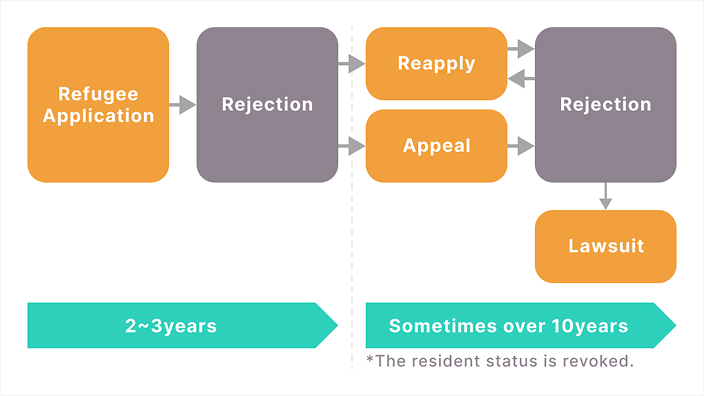
In Japan, simply fleeing a conflict zone is not enough to be recognized as a refugee. Applicants are required to provide evidence that they were personally targeted and persecuted—a standard so high it is often described as unrealistic.The screening process takes an average of 2 to 3 years, and including legal appeals, it can stretch to over 10 years. During this long wait, many have their residence status revoked, forcing them into a harsh existence where they are denied resident registration, the right to work, and access to public services, including healthcare. After years of waiting, many are in the end denied asylum, leading to potential detention and deportation.

Barriers of Language and Culture, Discrimination and Isolation

Barriers of Language and Culture, Discrimination and Isolation

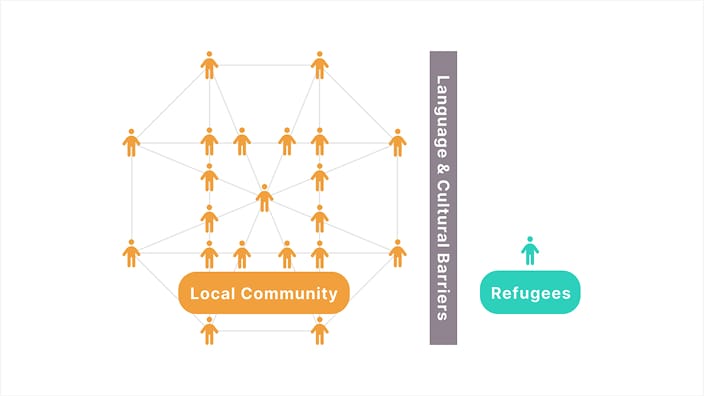
Whether waiting for a decision or having finally been recognized, refugees often face obstacles of language, culture, religion and so on. Basic needs—like going to the doctor, sending children to school, or applying for social support—all require Japanese skills. Adapting to local customs is another daunting hurdle. For asylum seekers whose legal status is uncertain, these challenges often lead to deep isolation. Many could be subjected to prejudice and discrimination due to their appearance or beliefs. Faced with hate speech and social stigma, they are left to struggle in the shadows of a society they hoped for protection.

Our Work

we pursue our vision through three distinct missions.

CARE

Resettlement Support

Supporting every individual in their daily lives

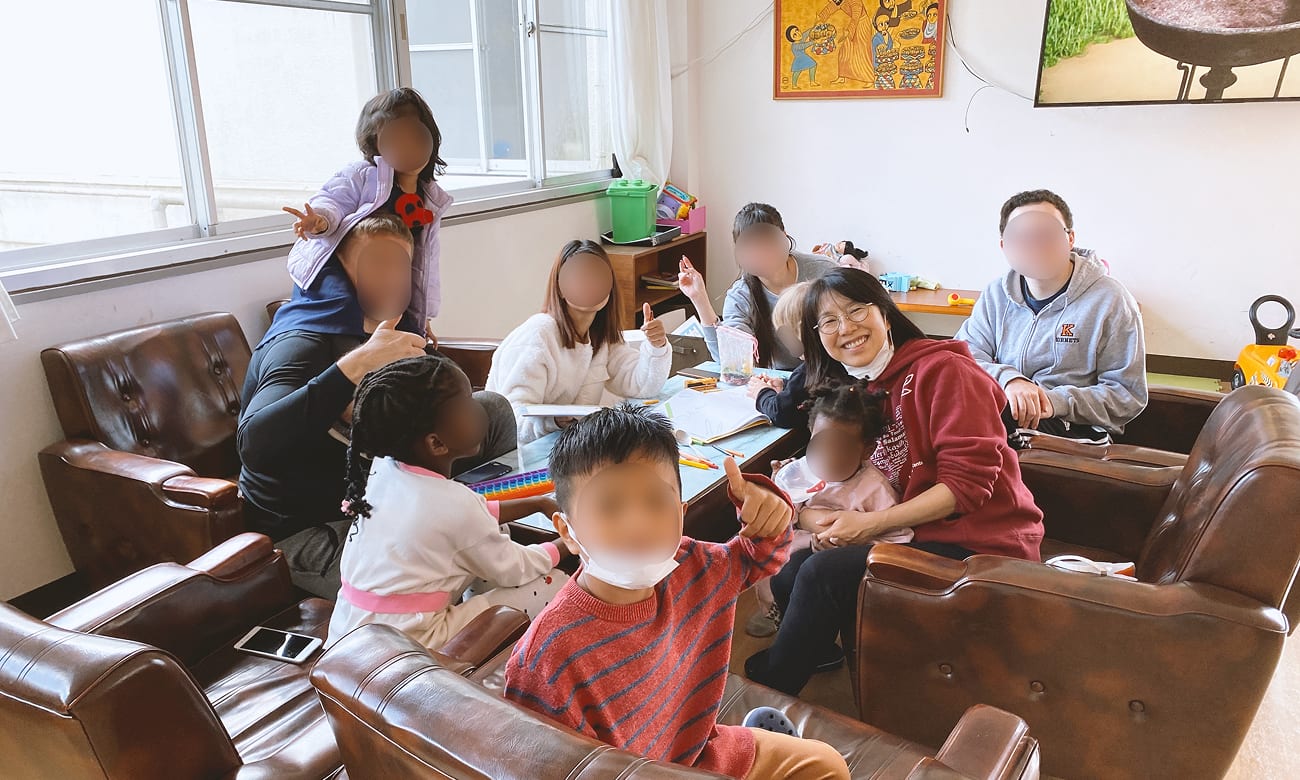
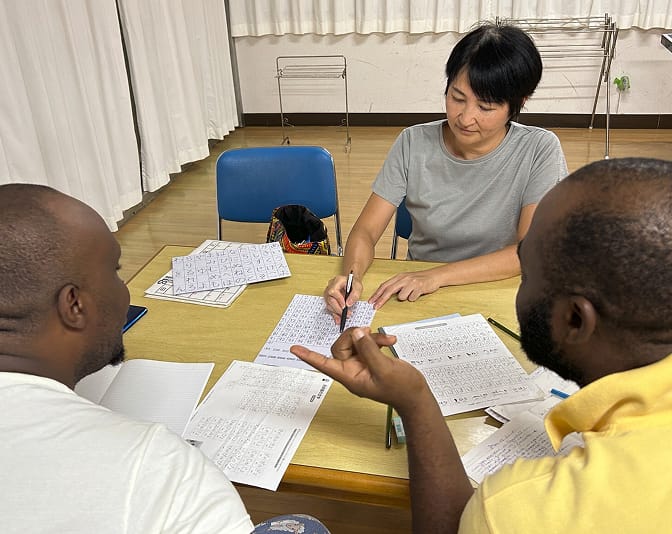
At our shelter in Kamakura, we provide the essentials of life—food, clothing, housing, and medical care—so that they can live with health and peace of mind. We also assist refugees with administrative procedures, such as refugee status and visa applications.
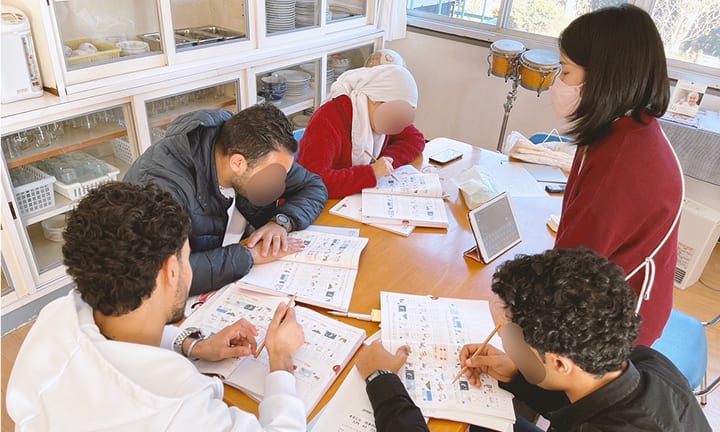
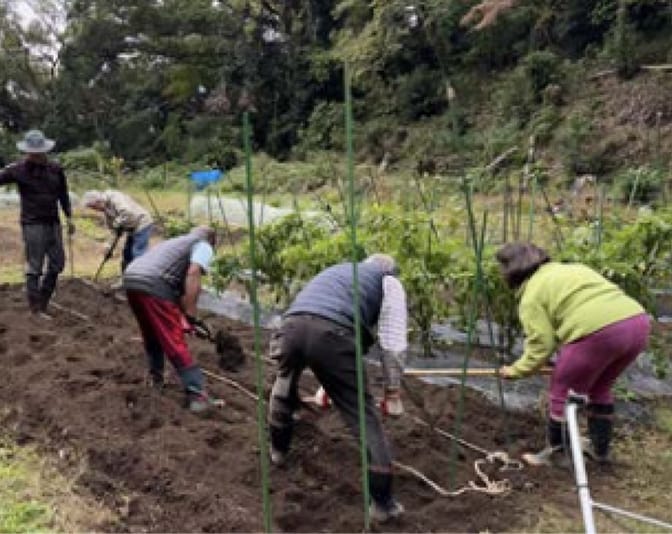
To help residents learn Japanese and adjust to local culture and customs, we provide opportunities for community engagement. For children, we act as a bridge to local schools and provide educational support to ensure they can continue their studies. Residents, staff, and volunteers share their daily lives, offering mutual support through communal living. Even after residents become independent, we continue to provide assistance whenever needed.

Supporting every individual in their daily lives

CONNECT

Interaction and Collaboration

Connecting refugees with the local community

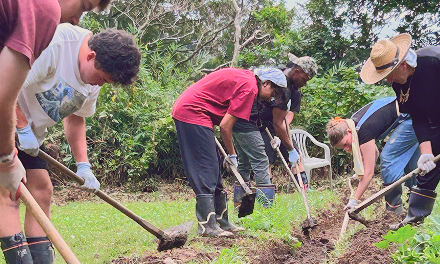
Although they find themselves in the situation of being “refugees,” they are all individuals with rich personalities and talents. We are creating opportunities for them to meet local residents, foster friendships, and build relationships where they call each other by name. We also collaborate with a wide range of stakeholders—including citizens, schools and universities, local governments, and business professionals—to work together in the community to support the lives of refugees and help them maintain hope for the future.

Connecting refugees with the local community

CHANGE

Advocacy & Research

Toward a Society Where We Live Together

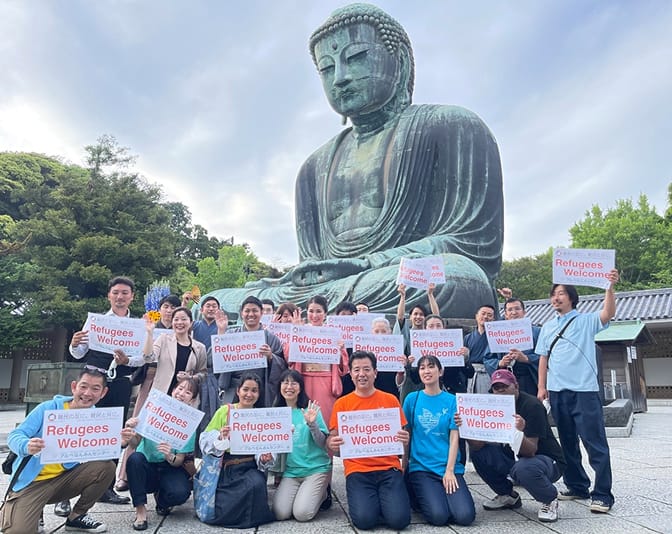
Guided by the belief that "a community welcoming to refugees is a community where everyone can thrive," Arrupe hosts Refugee Awareness Seminars at schools, communities and online. Our goal is to amplify the voices of those on the ground and deepen public understanding and engagement. Furthermore, to identify the evolving challenges facing refugees both in Japan and overseas, we maintain a robust network of support organizations across Japan and the Asia region to facilitate the exchange of information and strategic advocacy.

Toward a Society Where We Live Together

News & Topics

  • English News Test

    Events

    English News Test